Donald Judd
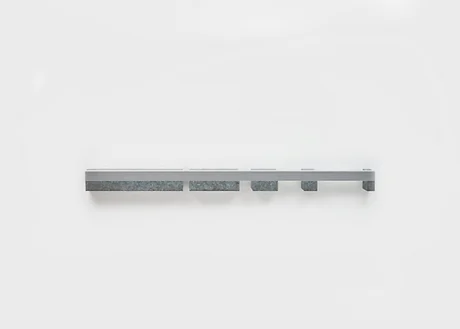
Judd expressed the Fibonacci sequence in minimalist forms. The house is structured like one of his Progression sculptures - the voids and volumes unfolding in glass and concrete.
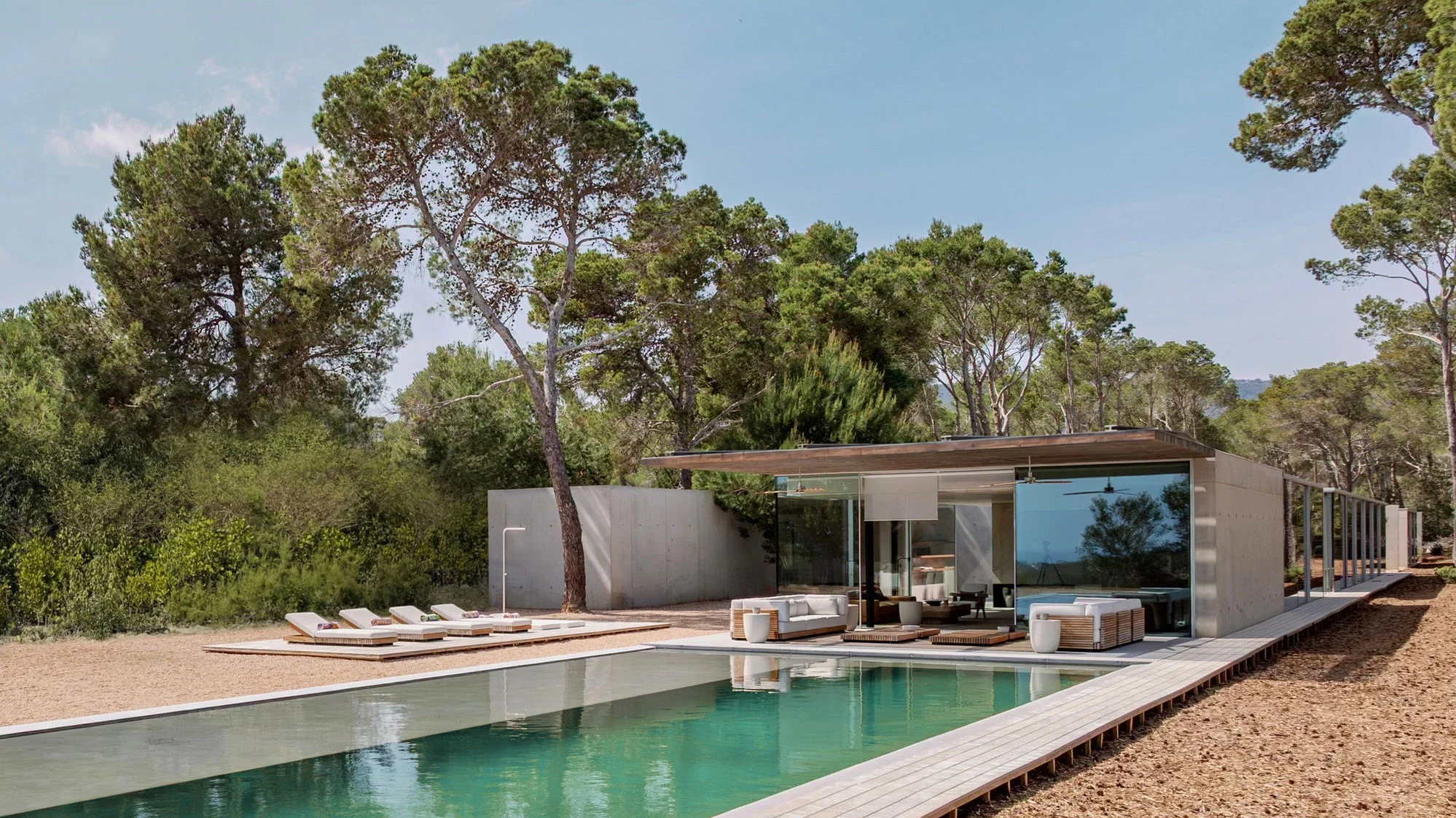
Can Fibonacci is a love letter to nature, overlooking the Mediterranean in Ibiza.
VIEW GALLERY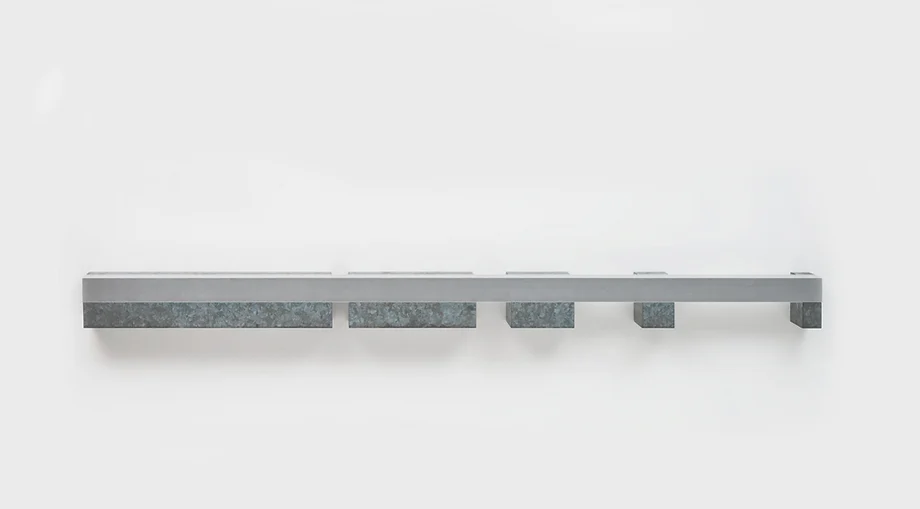
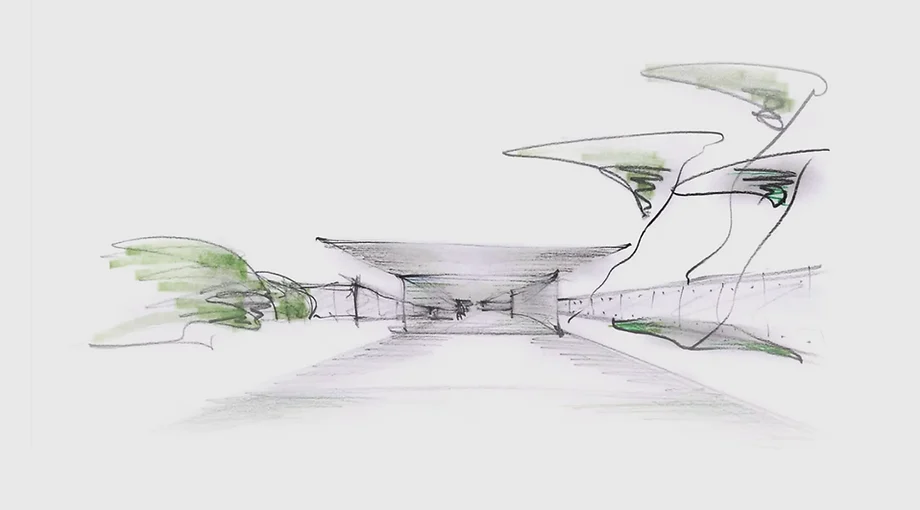
The architecture is informed by the Fibonacci sequence and inspired by the works of Donald Judd, Luis Barragan and Mies van der Rohe
Judd expressed the Fibonacci sequence in minimalist forms. The house is structured like one of his Progression sculptures - the voids and volumes unfolding in glass and concrete.
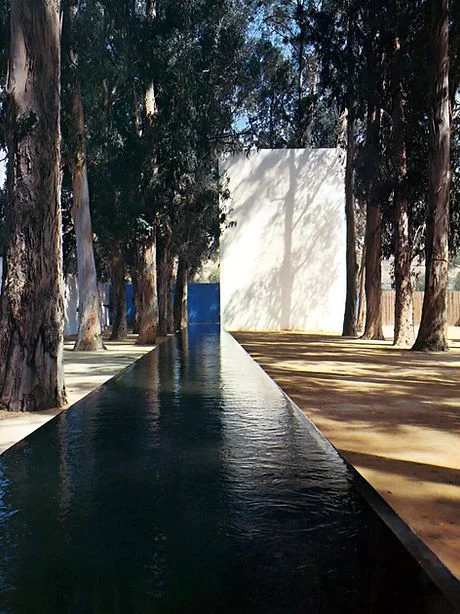
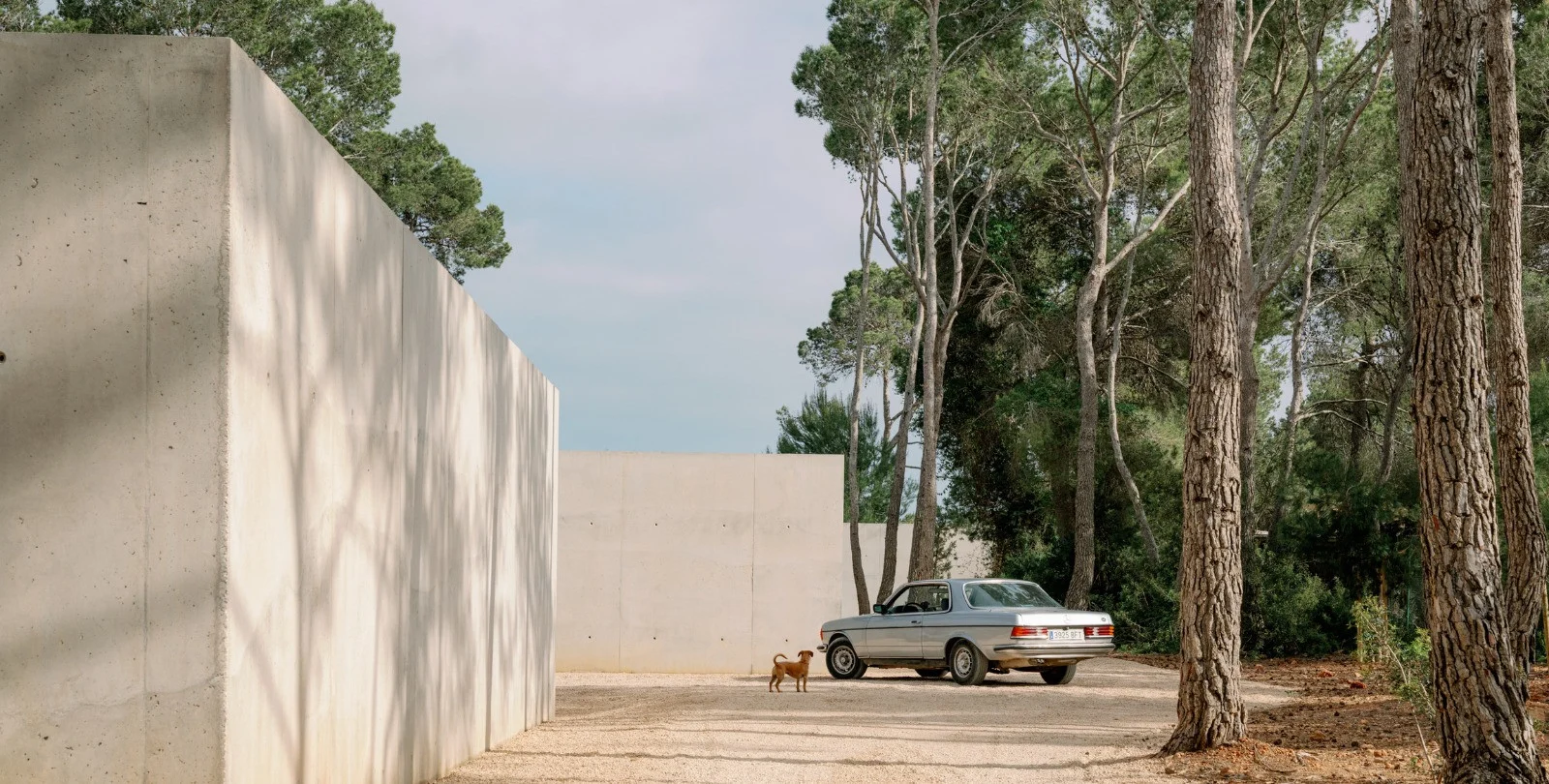
The master of emotional geometry provided the atmospheric inspiration for Can Fibonacci - monumental walls which become canvases for the play of shadows from the surrounding forest.
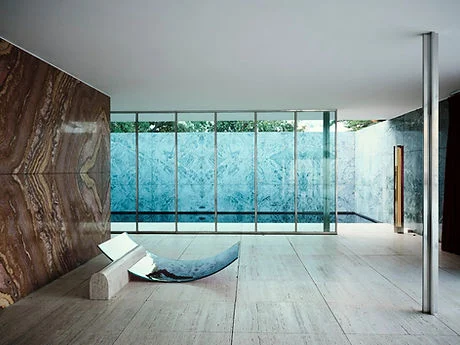
Mies distilled architecture to its essential elements: plane, column, reflection, proportion and space. The Barcelona Pavilion informs Can Fibonacci’s pursuit of radical clarity - calm living spaces unfolding through light and shade.
‘The clearest way into the universe is through a forest wilderness. When one tugs at a single thing in nature, he finds it attached to the rest of the world’
- John Muir, 1938